Body procedures at Dr Ken Brito Cosmetic Clinic focus on proportion, contour, and tissue quality where clinically appropriate. Each treatment is planned with careful consideration of individual anatomy, safety, and informed decision-making.





Your safety is our priority. Every treatment is performed with careful clinical judgment, and is only undertakin where it is considered appropriate. We are committed to transparent communication, ethical practice, and results that align with realistic expectations.
Body procedures vary in complexity, recovery time, and aftercare requirements. These factors depend on the type of procedure and individual circumstances.
During consultation, patients are provided with clear information about:
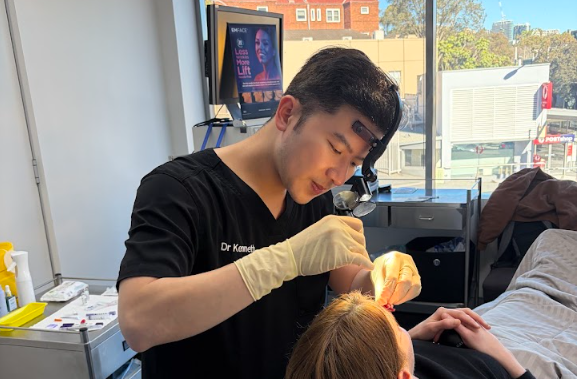
All body procedures are personally assessed and managed by Dr Ken Brito. Medical suitability, treatment options, and individual circumstances are carefully considered during consultation.
Treatment planning takes into account anatomy, tissue characteristics, and overall proportion to determine an appropriate approach for each patient.
Minor procedures may be performed in suitable clinical facilities. Procedures requiring hospital admission are performed in licensed hospitals where appropriate.
Expected recovery, post-procedure care, potential risks, and possible complications are discussed during consultation to support informed decision-making.
Follow up appointments and post-procedure guidance are provided, with access to medical review if required during recovery.
A consultation allows personalised discussion of suitability, risks and available procedure and treatment options.
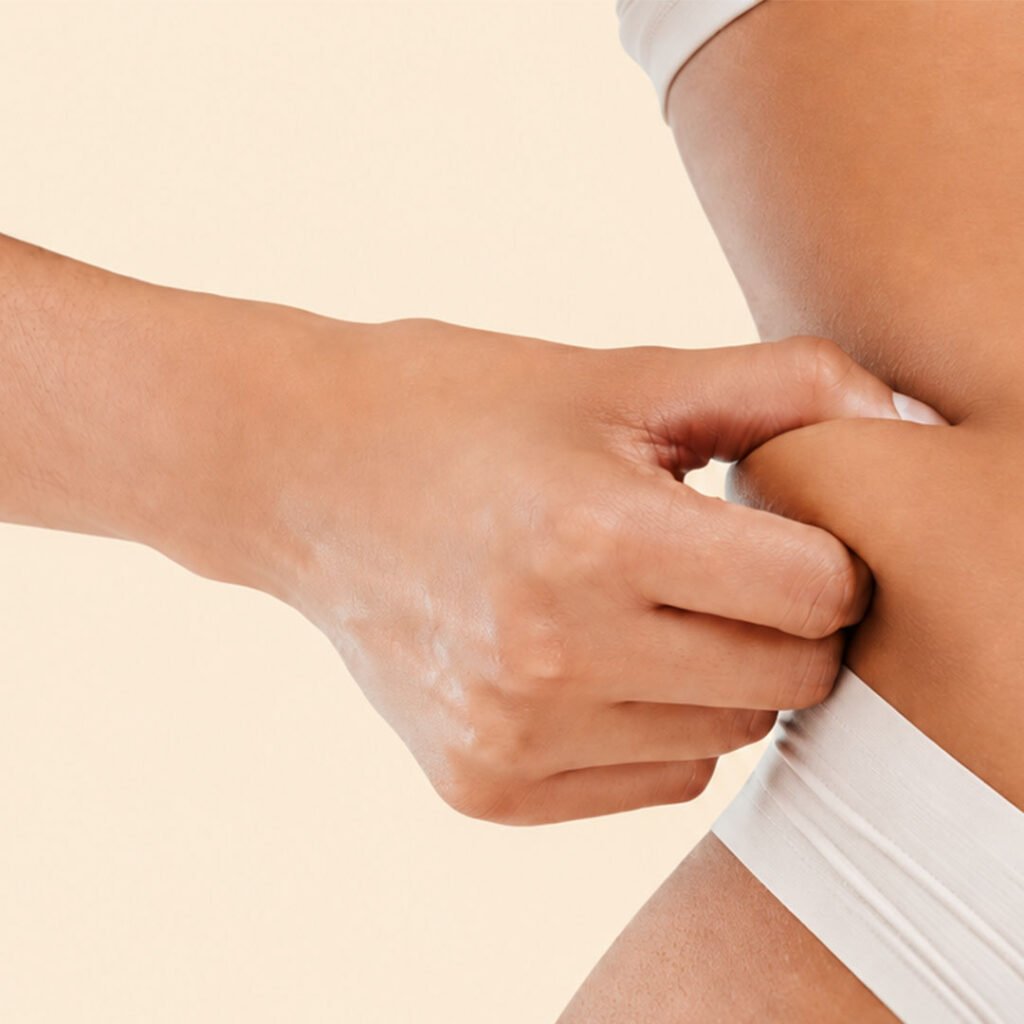
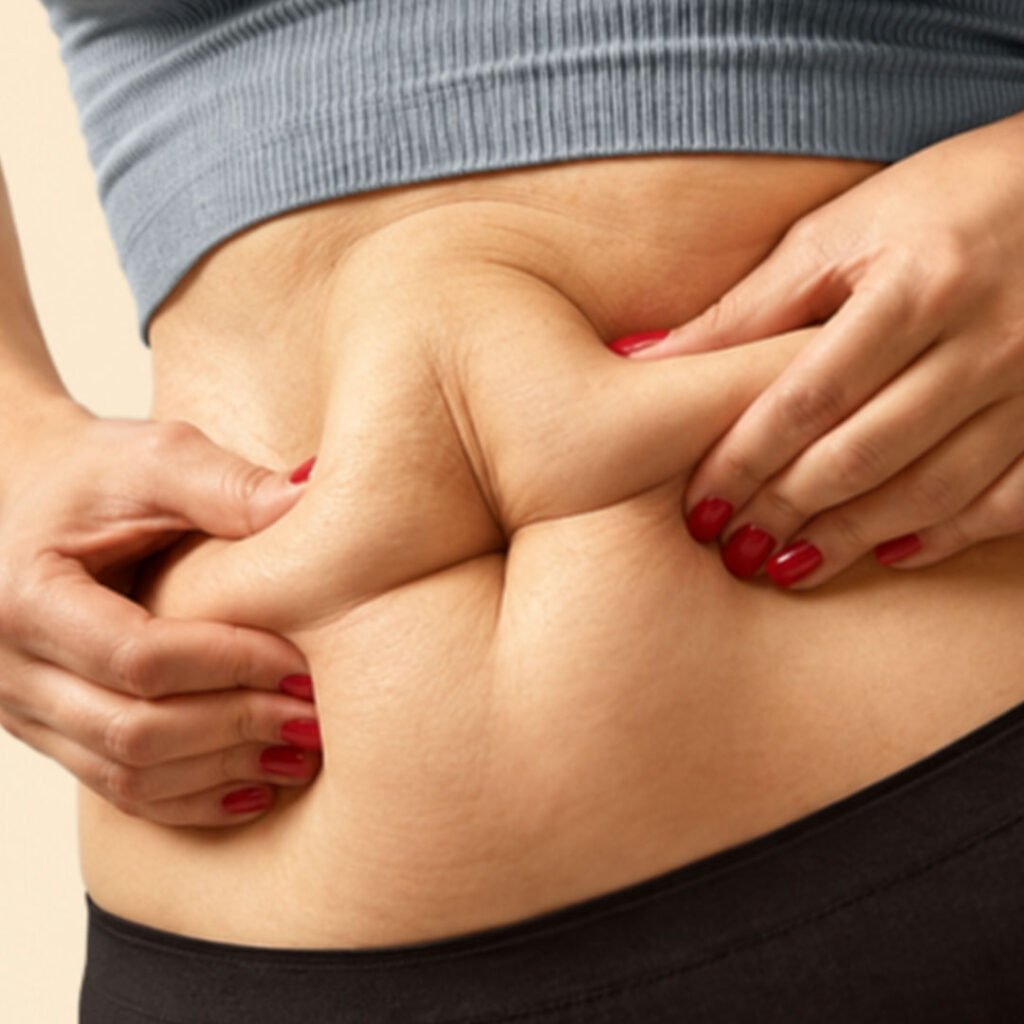
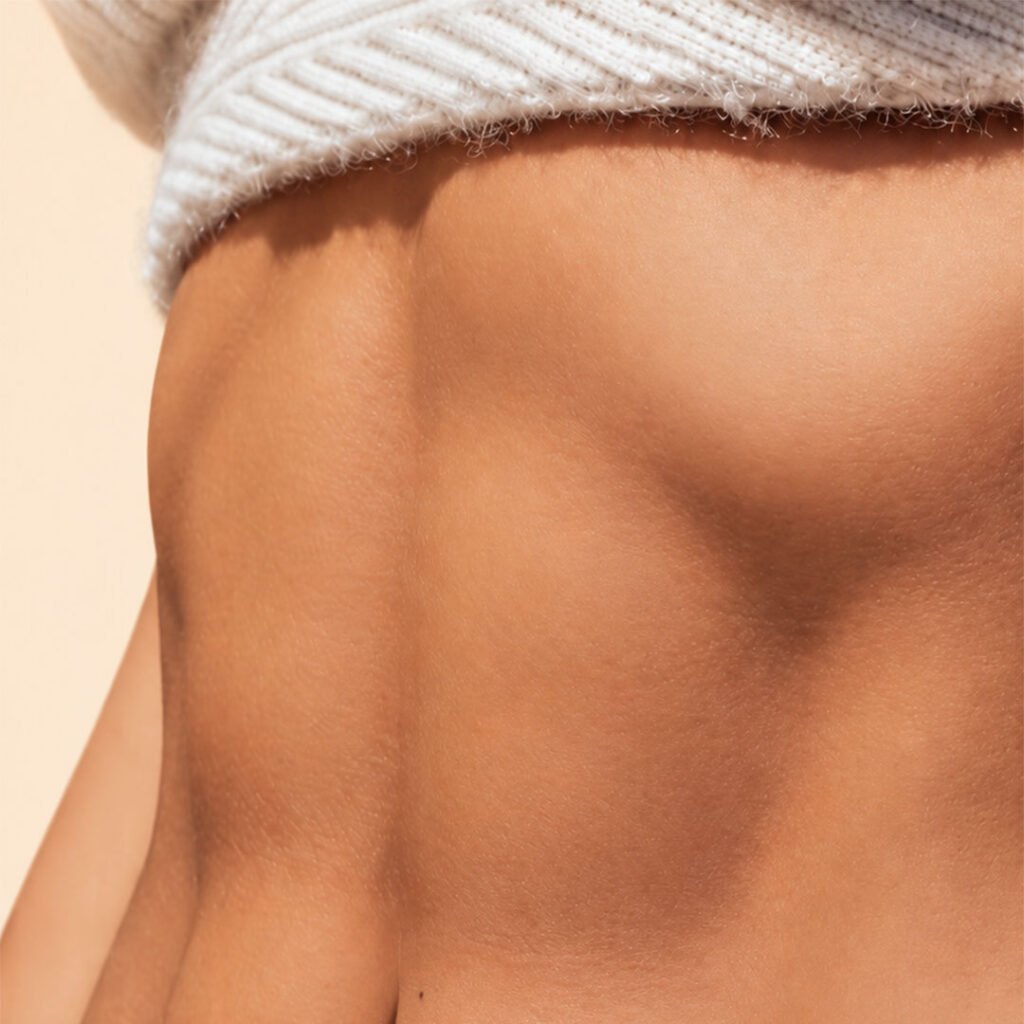
A surgical procedure designed to used to address localised fat deposits and support body contouring where non-surgical measures are insufficient.
Liposuction is a surgical technique used to remove excess fat from specific areas of the body. It is not a weight loss procedure but may be considered to address localised fat deposits that are resistant to diet and exercise. The surgical approach is planned based on anatomy, fat distribution, and overall suitability.
Liposuction may be considered for individuals with stable weight who have localised areas of fat that do not respond to lifestyle measures. Suitability depends on skin quality, overall health, and realistic expectations, which are assessed during consultation.
All surgery carries risk. Specific considerations with liposuction include swelling, bruising, contour irregularities, changes in sensation, fluid collections, and general surgical and anaesthetic risks. Liposuction does not prevent future weight changes and is not a substitute for weight management.
Recovery depends on the areas treated and the extent of the procedure. Swelling, bruising, and temporary discomfort are common. Compression garments are typically recommended, and a gradual return to normal activities is advised as healing progresses.
A surgical technique that uses a patient’s own fat to support volume restoration and contour refinement where clinically appropriate.
Fat transfer, also known as fat grafting, involves carefully harvesting fat from one area of the body and reintroducing it into another area where additional volume or contour support may be required. The technique may be considered in selected cases for areas such as the face, breasts, or hands, with planning based on individual anatomy and tissue quality.
Fat transfer may be considered for individuals seeking volume restoration using their own tissue. Suitability depends on factors such as available donor fat, overall health, and realistic expectations regarding volume retention, which are assessed during consultation.
As with all surgical procedures, fat transfer carries risks. Considerations include swelling, bruising, infection, variable fat retention, and the possibility that additional procedures may be required. Outcomes vary between individuals and are discussed in detail during consultation.
Recovery varies depending on the extent of fat harvesting and transfer. Swelling and bruising may occur at both donor and recipient sites and typically settle over one to two weeks. A gradual return to normal activities is advised as healing progresses.
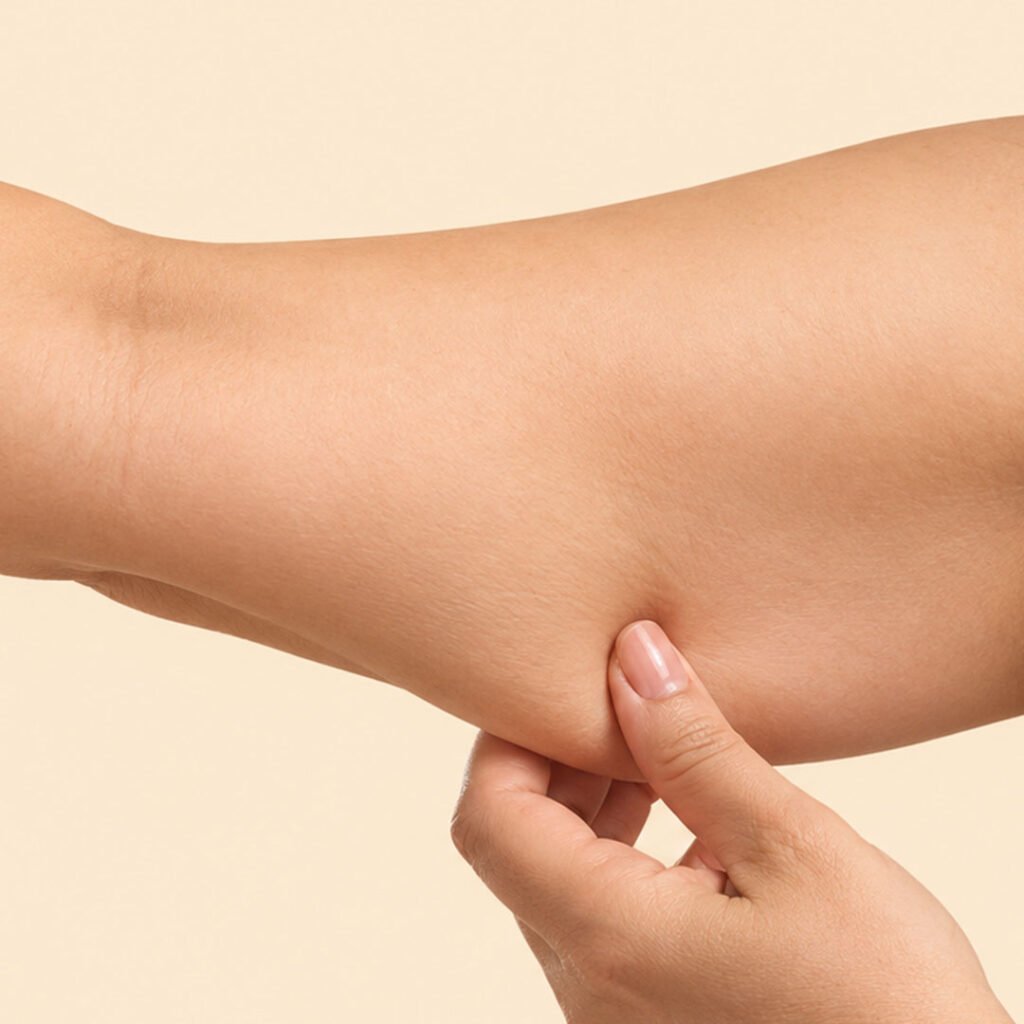
A surgical procedure designed to address excess skin and soft tissue in the upper arms.
Brachioplasty involves the removal of excess skin and, where appropriate, underlying tissue from the upper arms. The procedure is tailored to the individual and may involve different surgical techniques depending on the degree of skin laxity and tissue distribution.
This procedure may be considered for individuals with loose or excess upper arm skin, often associated with weight changes or age‑related skin changes. Suitability depends on skin quality, overall health, and individual goals, and is assessed during consultation.
As with any surgical procedure, risks may include swelling, bruising, scarring, infection, asymmetry, and changes in sensation. Scar placement and healing vary between individuals and are discussed during consultation.
Recovery varies between individuals. Swelling and bruising are expected in the initial period and generally improve over several weeks. Activity restrictions and compression garments may be recommended to support healing.
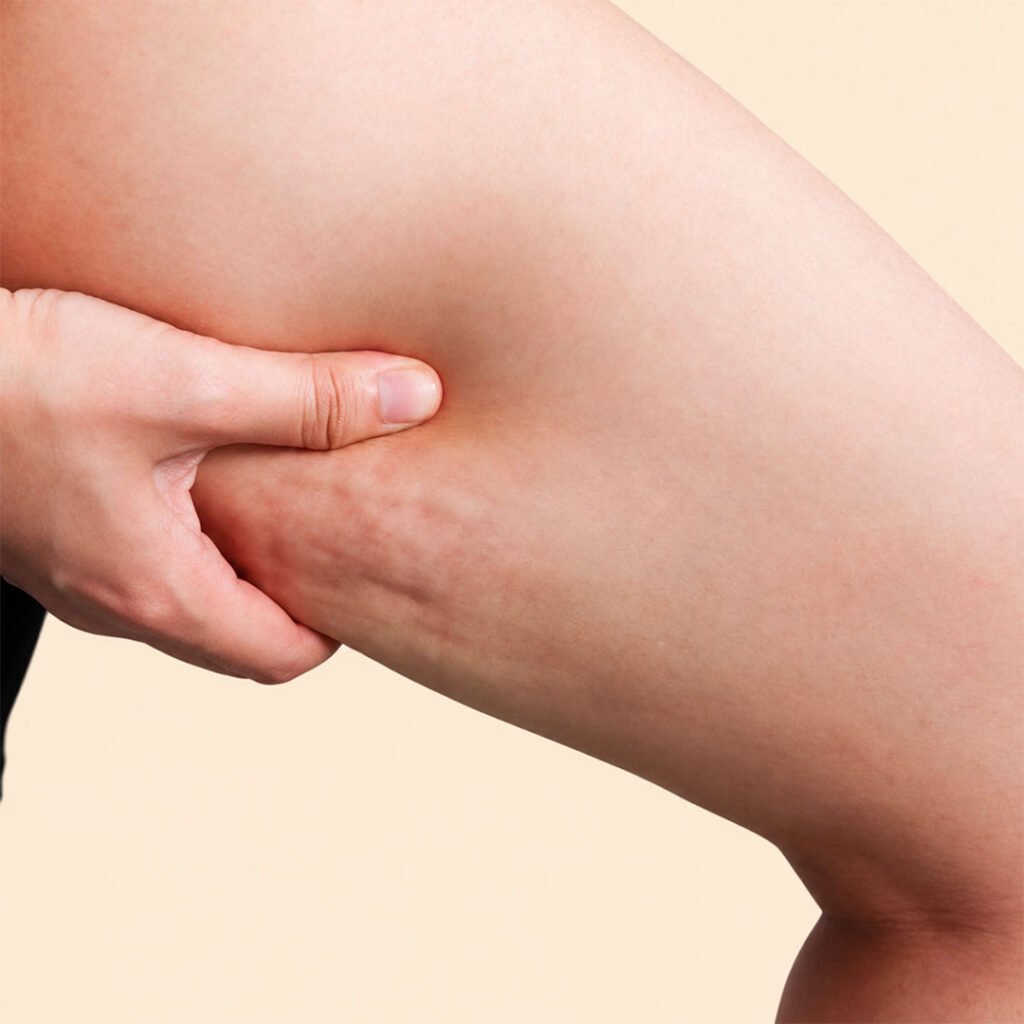
A surgical procedure focused on improving contour and reducing excess skin in the thigh region.
Thighplasty involves the removal of excess skin and soft tissue from the inner or outer thighs. Surgical techniques vary depending on the area being treated and the degree of tissue change.
This procedure may be considered for individuals experiencing excess thigh skin, often following weight loss or due to age‑related changes. Suitability depends on individual anatomy, health status, and treatment goals.
Risks may include swelling, bruising, scarring, asymmetry, infection, and wound healing concerns. The location and visibility of scars vary depending on the surgical approach.
Recovery may involve a period of limited activity. Swelling and discomfort are common initially and typically improve over several weeks. Detailed aftercare guidance is provided.
An energy‑based treatment (Renuvion) designed to support skin contraction and surface tightening.
Plasma skin tightening (Renuvion) uses controlled energy to create small, targeted effects on the skin surface. This process may support skin contraction and stimulate a gradual tissue response. Treatment approaches vary depending on the area and clinical indication.
This treatment may be considered for individuals with mild to moderate skin laxity seeking a non‑surgical approach. Suitability depends on skin type, treatment area, and individual factors, and is assessed during consultation.
Potential risks may include redness, swelling, crusting, pigment changes, or delayed healing. Appropriate patient selection and adherence to aftercare are important to reduce complications.
Downtime varies depending on the intensity of the treatment. Temporary redness, swelling, and small surface marks may occur and typically settle over several days to weeks.
Surgery Fellow, Australasian College of Cosmetic Surgery and Medicine
AHPRA Registration Number:
MED0001680302
Operating Hospital:
Kingsgrove Day Hospital, Kingsgrove NSW
0455 234 313
info@drkenbrito.com.au
Level 8, 60 Park Street Sydney NSW 2000 Australia
Powered by Vulb Media