Face procedures at Dr Ken Brito Cosmetic Clinic are guided by detailed facial assessment, anatomical understanding, and careful treatment planning.
Options may be considered where changes in skin quality, facial volume, or tissue support are contributing to concerns, with suitability discussed during consultation.
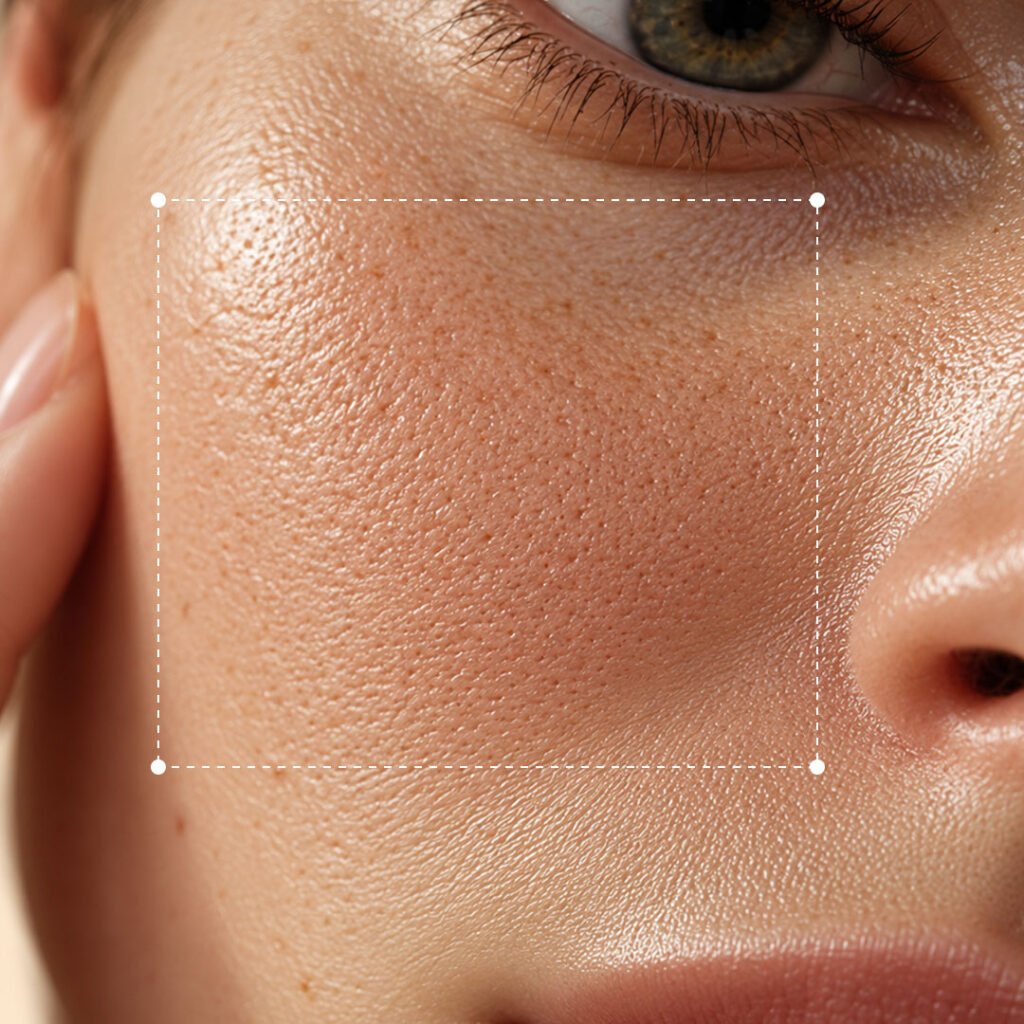

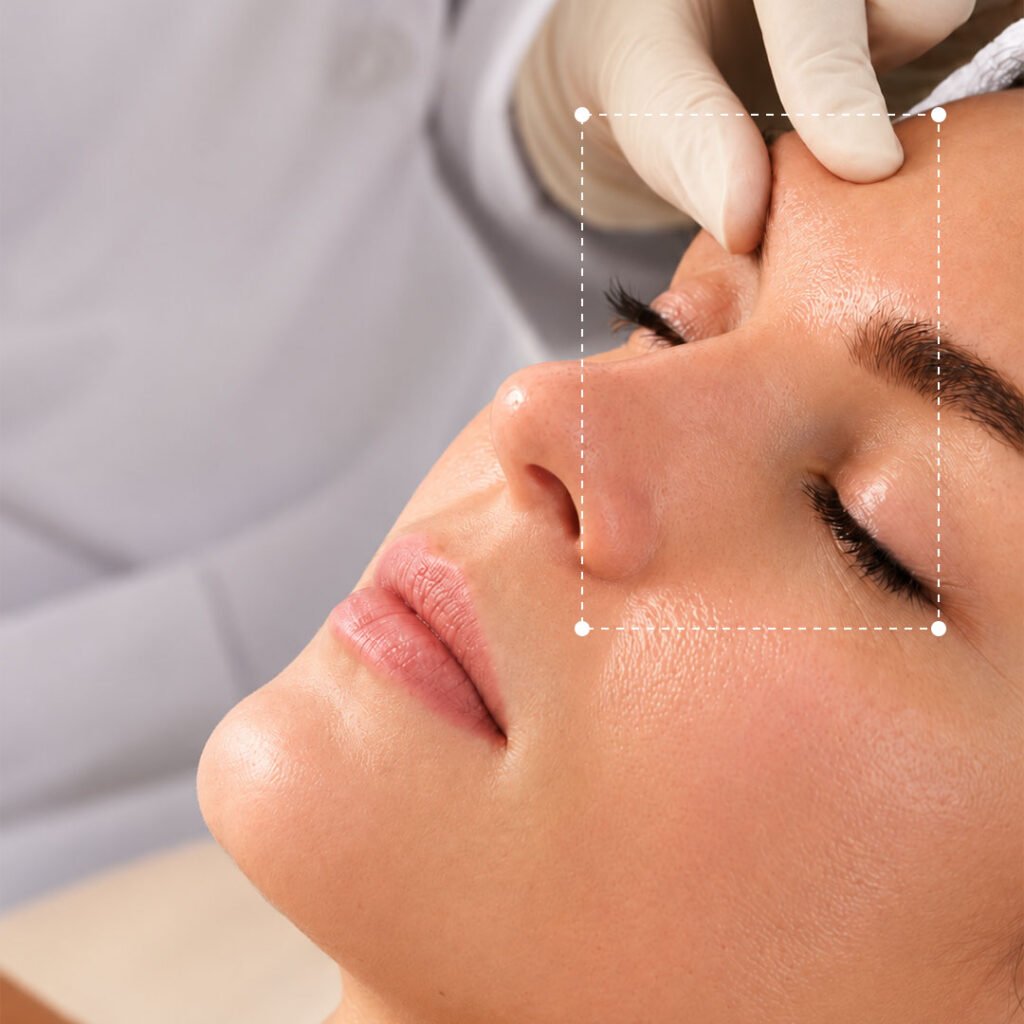



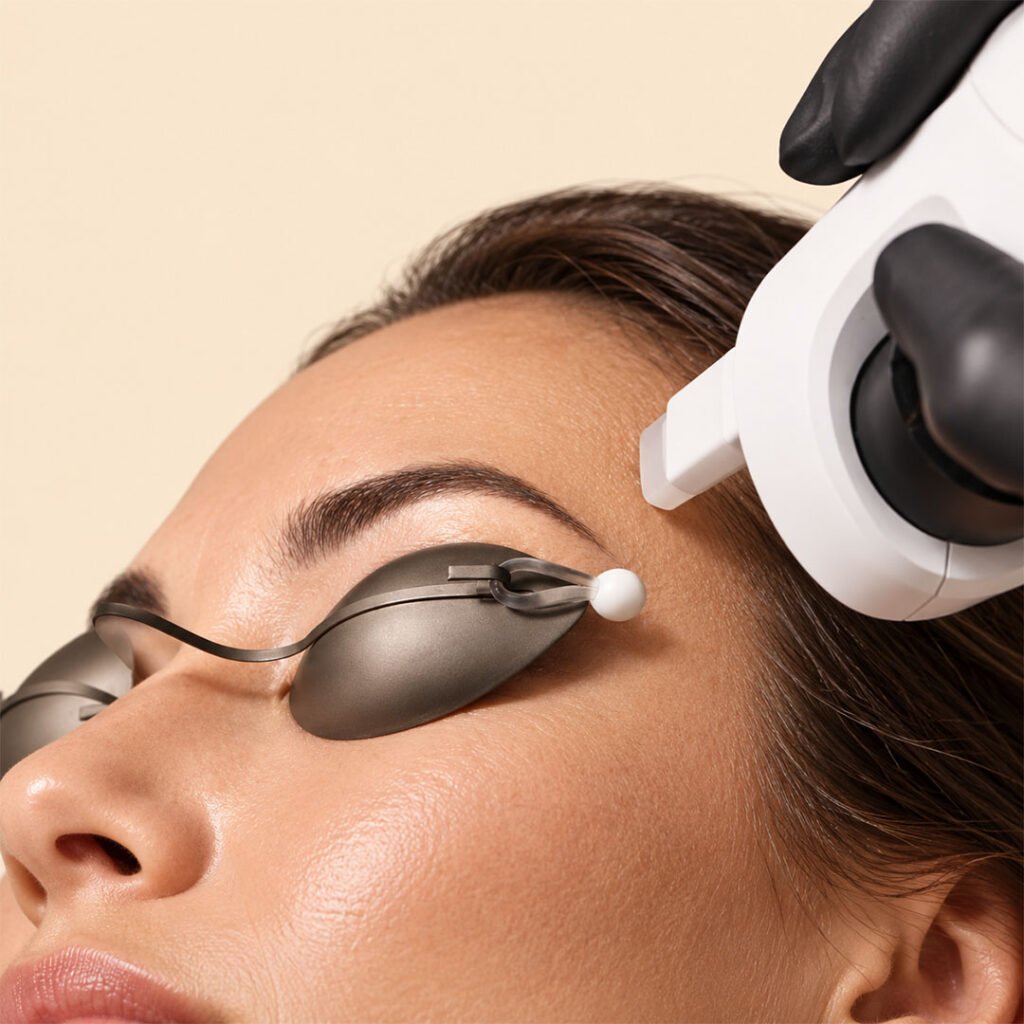







Achieve meaningful skin improvements without surgery. Our treatments focus on restoring skin quality and supporting your skin’s natural processes. We use evidence‑based, minimally invasive techniques selected according to individual skin characteristics.
We offer medically guided, non‑surgical treatments designed to support skin health and facial balance. Each treatment is carefully assessed and customised following consultation, with a strong emphasis on safety, suitability, and realistic expectations.
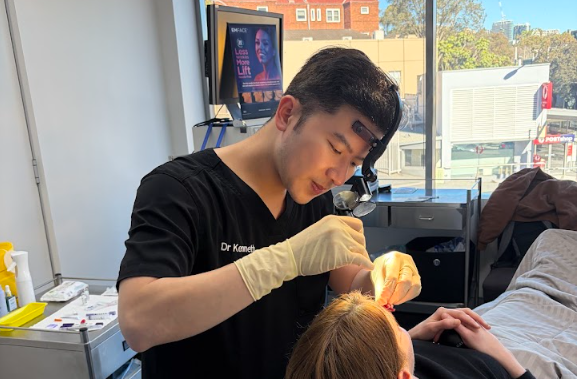
Your safety is our priority. Every treatment is performed with careful clinical judgment, and is only undertakin where it is considered appropriate. We are committed to transparent communication, ethical practice, and results that align with realistic expectations.
Medically guided injections used to temporarily reduce specific muscle activity. These may be considered for dynamic facial lines and selected functional concerns, following medical assessment.
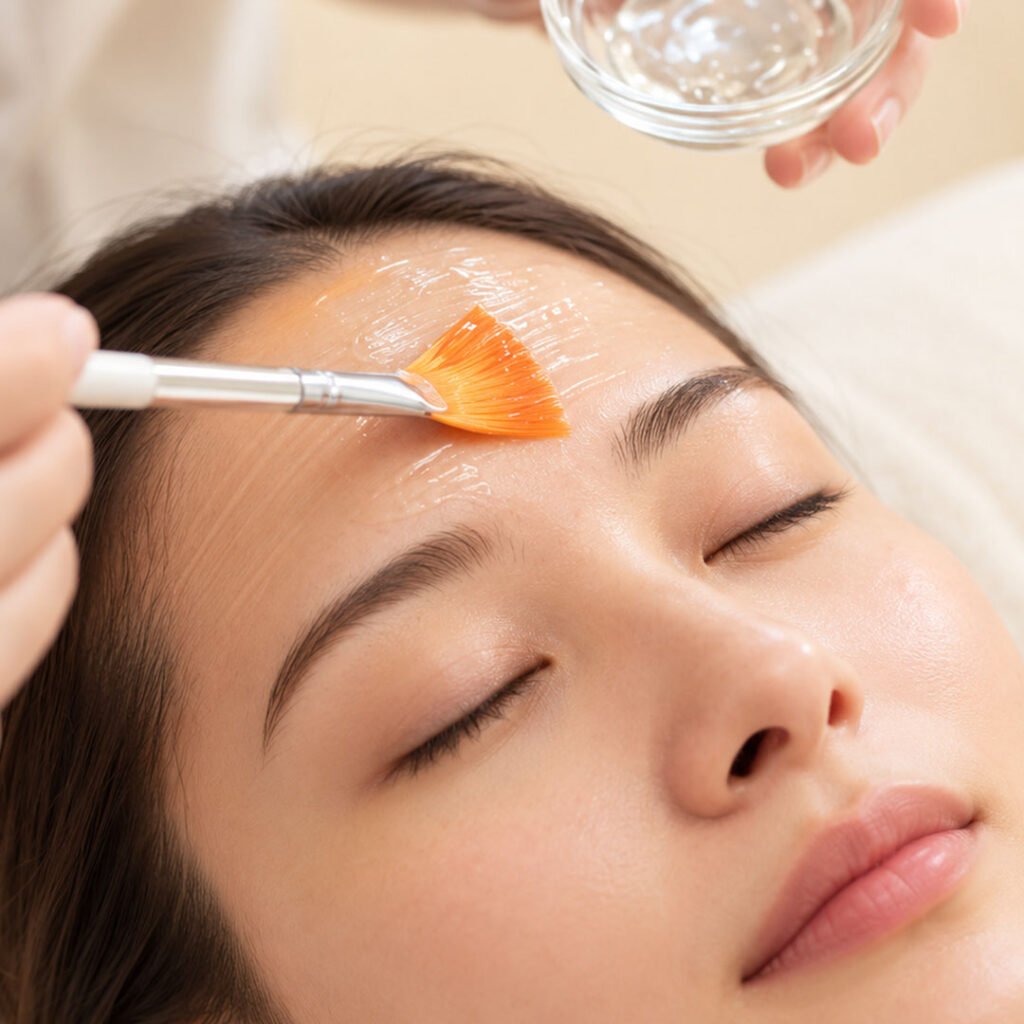
Superficial and medium depth peels used to support skin renewal, improve texture, address pigmentation, and manage early photoaging, with treatment depth selected based on skin assessment.
Injectable treatments designed to stimulate the body’s natural collagen production, supporting skin structure, firmness, and gradual volume improvement over time.
Minimally invasive procedures using absorbable threads to provide structural support and address mild to moderate tissue laxity.
All non‑surgical treatments are assessed and overseen by Dr Ken Brito, with careful consideration of medical suitability and responsible clinical decision‑making.
Treatments are selected based on clinical evidence, anatomy, and skin biology, rather than aesthetic trends.
The focus is on balance, skin health, and structural support, with a conservative approach to treatment planning.
Treatments are performed in appropriate medical settings, with higher‑risk or prescription‑based procedures managed in accordance with relevant clinical safeguards.
Risks, downtime, and limitations are explained during consultations to support informed consent.
A consultation allows personalised discussion of suitability, risks and available procedure and treatment options.
A structured, medical approach to improving skin texture affected by acne scarring, based on scar type and individual skin characteristics.
Acne scarring occurs when inflammation disrupts normal skin healing, resulting in permanent textural changes. Treatment requires careful assessment of scar type, depth, and skin biology. A combination of techniques is often required, as no single treatment is suitable for all scar patterns.
Acne scarring treatment may be considered for individuals with stable acne and residual scarring who are seeking improvement in skin texture. Suitability depends on skin type, scar characteristics, and an understanding that improvement is gradual and variable.
Acne scarring cannot usually be completely removed. Outcomes depend on scar type and skin response. Risks may include pigmentation changes, prolonged redness, or limited improvement. Realistic expectations are essential and discussed during consultation.
Recovery varies depending on the treatments selected. Temporary redness, swelling, or bruising may occur, and downtime ranges from minimal to more significant for certain procedures. Treatment plans are structured to balance effectiveness with recovery requirements.
Medically guided treatments to restore facial volume and support contour where changes in facial structure have occurred.
Facial volume restoration and contouring involves the use of injectable treatments to provide structural support, address volume loss, and refine facial contours. Treatment planning focuses on maintaining balance and proportion rather than altering natural facial features.
These treatments may be considered for individuals experiencing age related volume loss or contour changes. Suitability depends on anatomy, medical history, and individual goals, which are assessed during consultation.
All injectable treatments carry risk. Considerations include bruising, asymmetry, infection, and rare but serious complications such as vascular events. These risks, along with limitations and alternatives, are discussed in detail during consultation.
Downtime is usually minimal. Temporary swelling, redness, or bruising may occur at injection sites. Most individuals resume normal activities shortly after treatment, with guidance provided as part of aftercare.
A minimally invasive procedure designed to provide subtle tissue support using specialised absorbable threads.
Thread lift procedures involve the placement of biocompatible, absorbable threads beneath the skin to provide mechanical support and stimulate collagen production. The procedure may be considered for selected individuals seeking modest lifting or contour support without surgery.
Thread lift treatment may be considered for individuals with mild to moderate skin laxity who are not seeking or suitable for surgical lifting procedures. Suitability depends on skin quality, degree of laxity, and realistic expectations.
Potential risks include asymmetry, discomfort, thread visibility or migration, and limited duration of effect. Results are temporary, and the procedure is not suitable for significant skin laxity. All risks are discussed during consultation.
Downtime is generally short. Mild swelling, bruising, or tenderness may occur and typically settles within several days. Temporary activity restrictions may be advised during early healing.
A fractional laser resurfacing procedure designed to improve skin texture and quality through controlled skin remodelling.
Fraxel CO₂ is an ablative fractional laser treatment that creates controlled micro injuries in the skin to stimulate collagen remodelling and resurfacing. It is typically performed in a hospital setting and may be considered for more significant skin texture concerns.
Fraxel CO₂ may be considered for individuals with moderate to severe textural changes, scarring, or sun damage. Suitability depends on skin type, medical history, and tolerance for downtime, and is assessed during consultation.
Risks may include infection, pigmentation changes, prolonged redness, or scarring. Careful patient selection, strict aftercare, and sun protection are essential to reduce risk. Limitations and alternatives are discussed during consultation.
Downtime is more significant than with non-ablative treatments. Redness, swelling, peeling, and temporary skin sensitivity are expected during the healing phase, with recovery occurring over one to two weeks.
Medically supervised skin resurfacing treatments designed to improve skin texture, tone, and clarity through controlled exfoliation.
Chemical peels use carefully selected solutions to exfoliate the skin at varying depths. Superficial peels focus on surface renewal, while medium depth peels stimulate deeper skin remodelling. Treatment selection is based on skin type and clinical assessment.
Chemical peels may be considered for individuals with uneven skin tone, pigmentation, sun damage, fine lines, acne, or rough skin texture. Not all skin types or conditions are suitable, and careful assessment is required.
Risks may include redness, irritation, pigmentation changes, or prolonged sensitivity. Medium depth peels carry higher risk and require medical supervision and adherence to aftercare instructions.
Recovery depends on peel depth. Superficial peels involve minimal downtime with mild flaking. Medium depth peels require several days of visible peeling and strict sun protection during healing.
A medically guided treatment that combines skin needling with regenerative substances to support skin quality and tissue response.
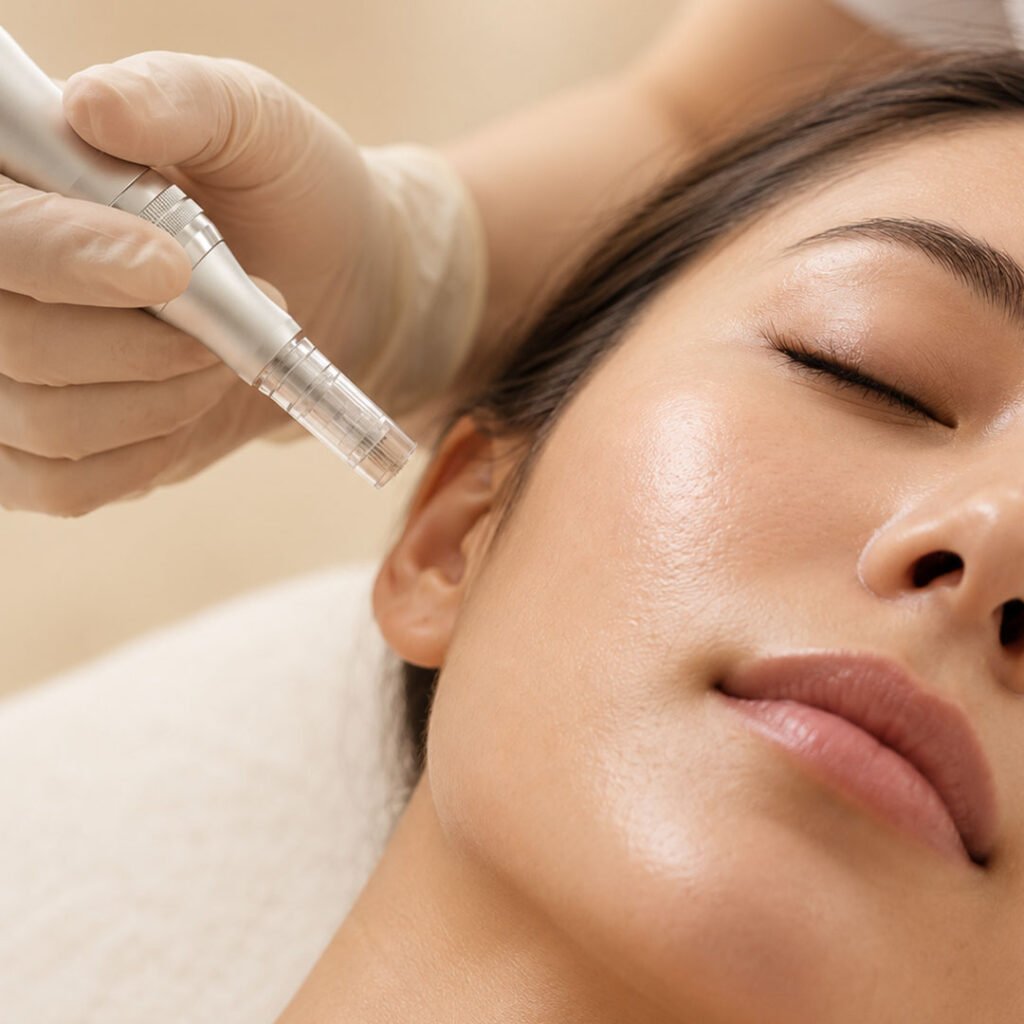
Skin needling, also known as microneedling, involves creating controlled micro‑channels in the skin to stimulate natural repair processes. When combined with selected bioregenerative agents, this approach may support collagen production and assist with overall skin quality. The treatment is performed with careful technique and clinical oversight.
This option may be considered for individuals concerned with skin texture, fine lines, or early changes in skin quality. Suitability depends on skin condition, medical history, and individual goals, and is assessed during consultation.
As with any procedure, potential risks may include temporary redness, swelling, irritation, or sensitivity. There is also a risk of infection or inflammatory response if aftercare instructions are not followed. Not all skin types or conditions are suitable for treatment.
Temporary redness and mild sensitivity are common and usually settle within a few days. Gradual improvements in skin quality may develop over time as the skin responds.
A non‑surgical treatment designed to support skin structure by encouraging the body’s natural collagen production.
Collagen stimulating treatments involve the use of specific injectable or topical approaches aimed at activating the body’s natural regenerative processes. Rather than providing immediate volume, these treatments are designed to support gradual improvements in skin firmness and texture over time.
This treatment may be considered for individuals experiencing early to moderate skin laxity or changes in skin quality. Suitability depends on individual factors including skin condition, treatment goals, and medical history.
Possible risks may include swelling, bruising, tenderness, or inflammatory responses. Outcomes develop progressively, and it is important to maintain realistic expectations regarding the timing and extent of changes.
Downtime varies depending on the treatment approach. Mild swelling or tenderness may occur and usually settles within several days. Skin changes develop gradually over weeks to months.
A prescription only medical treatment used to temporarily reduce the appearance of specific facial lines by relaxing targeted muscles.
Prescription wrinkle treatment involves the careful administration of a Schedule 4 medication to selected facial muscles. By reducing muscle activity in specific areas, the treatment can soften dynamic facial lines caused by repeated expression.
This treatment may be suitable for adults concerned about expression related lines such as frown lines, forehead lines, or crow’s feet. It may also be considered for certain medical conditions following assessment. A full medical consultation is required to determine suitability.
Potential risks include temporary bruising, swelling, headache, or unintended muscle weakness in adjacent areas. Results are temporary and require repeat treatments to maintain effect. All risks and limitations are discussed during consultation.
Downtime is minimal. Most individuals return to normal daily activities immediately. Temporary redness or mild bruising at injection sites may occur. Effects develop gradually over several days, with full results typically evident within two weeks.
A minimally invasive, incision free technique designed to refine prominent ears using specialised suture methods.
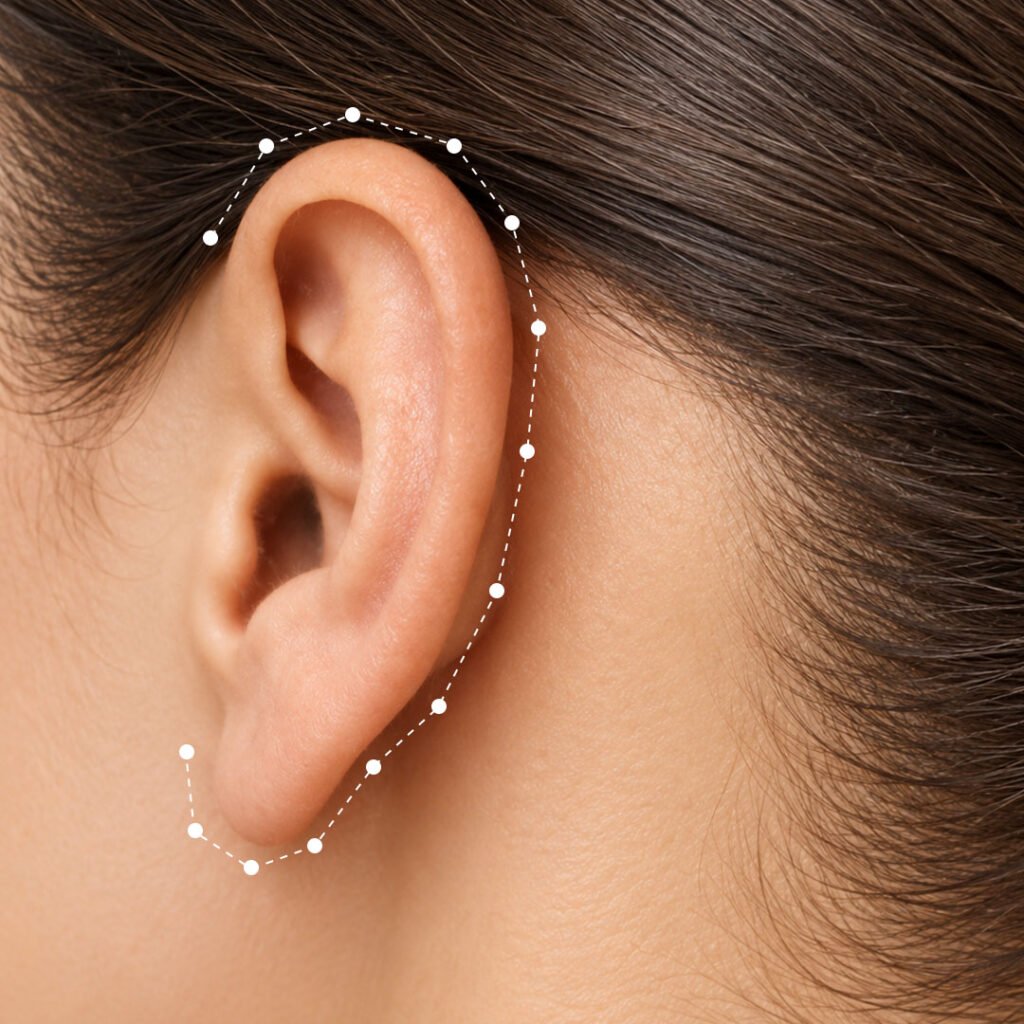
Non-surgical ear correction uses permanent sutures placed through small skin punctures to reshape ear cartilage without traditional surgical incisions. The technique is adapted from established otoplasty principles while avoiding visible scarring.
This procedure may be considered for individuals seeking correction of prominent ears or subtle ear contour refinement. Suitability depends on ear anatomy, age, and individual expectations, and is assessed during consultation.
As with any procedure, risks may include discomfort, asymmetry, or suture related issues. Long term outcomes depend on anatomy and adherence to post procedure guidance.
Recovery is generally straightforward. Mild swelling or tenderness may occur. Most individuals return to work within a few days, with temporary activity restrictions and protective measures advised during healing.
Surgery Fellow, Australasian College of Cosmetic Surgery and Medicine
AHPRA Registration Number:
MED0001680302
Operating Hospital:
Kingsgrove Day Hospital, Kingsgrove NSW
0455 234 313
info@drkenbrito.com.au
Level 8, 60 Park Street Sydney NSW 2000 Australia
Powered by Vulb Media