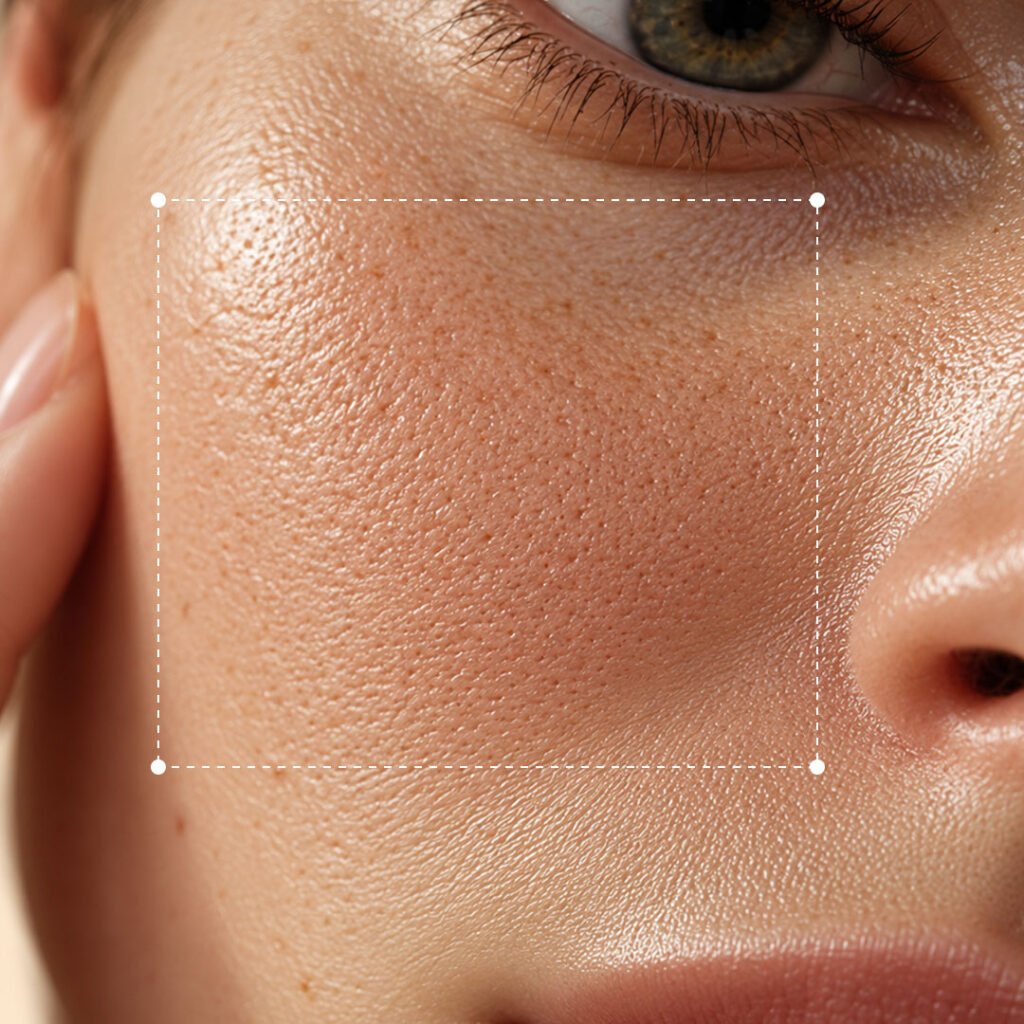
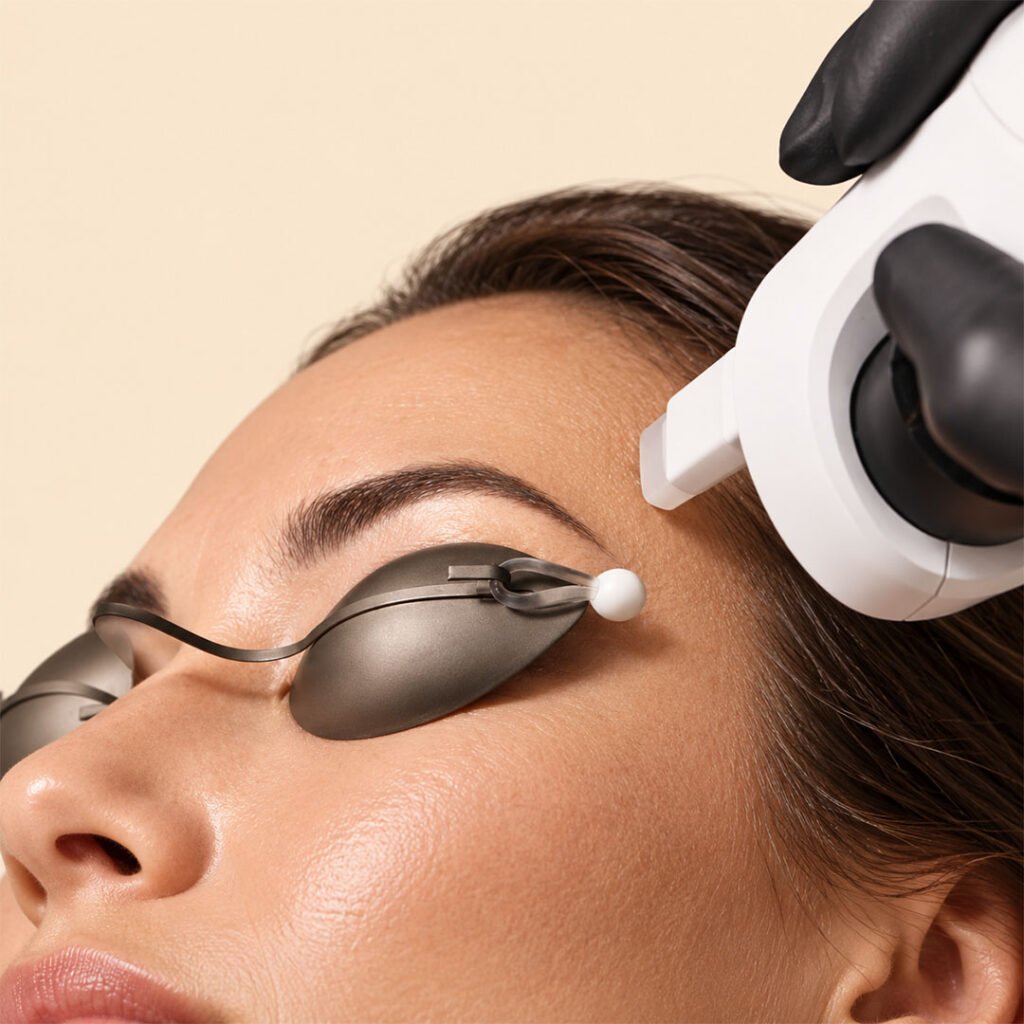
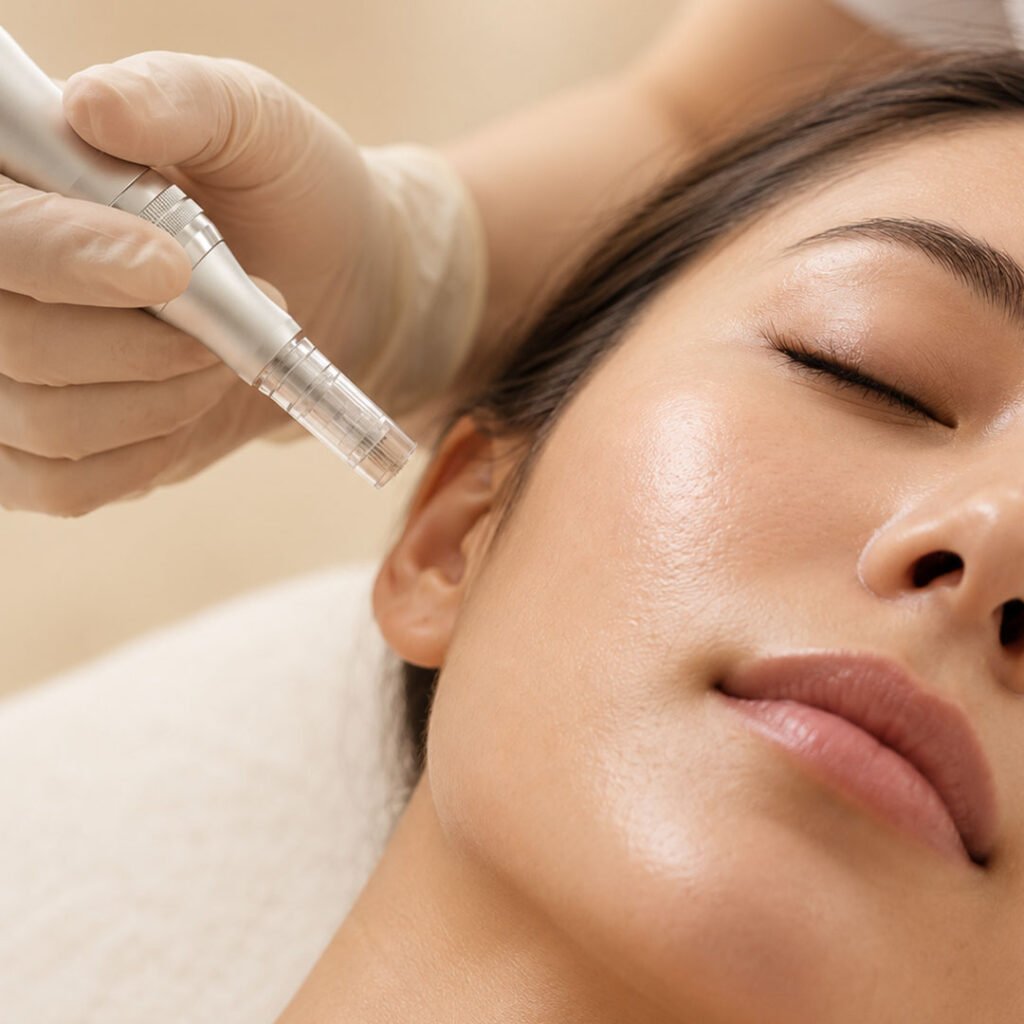
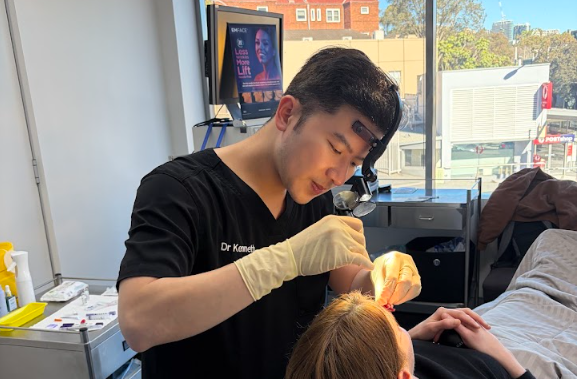
Face procedures at Dr Ken Brito Cosmetic Clinic are guided by detailed facial assessment, anatomical understanding, and careful treatment planning.
Options may be considered where changes in skin quality, facial volume, or tissue support are contributing to concerns, with suitability discussed during consultation.


Your safety is our priority. Every treatment is performed with careful clinical judgment, and is only undertakin where it is considered appropriate. We are committed to transparent communication, ethical practice, and results that align with realistic expectations.
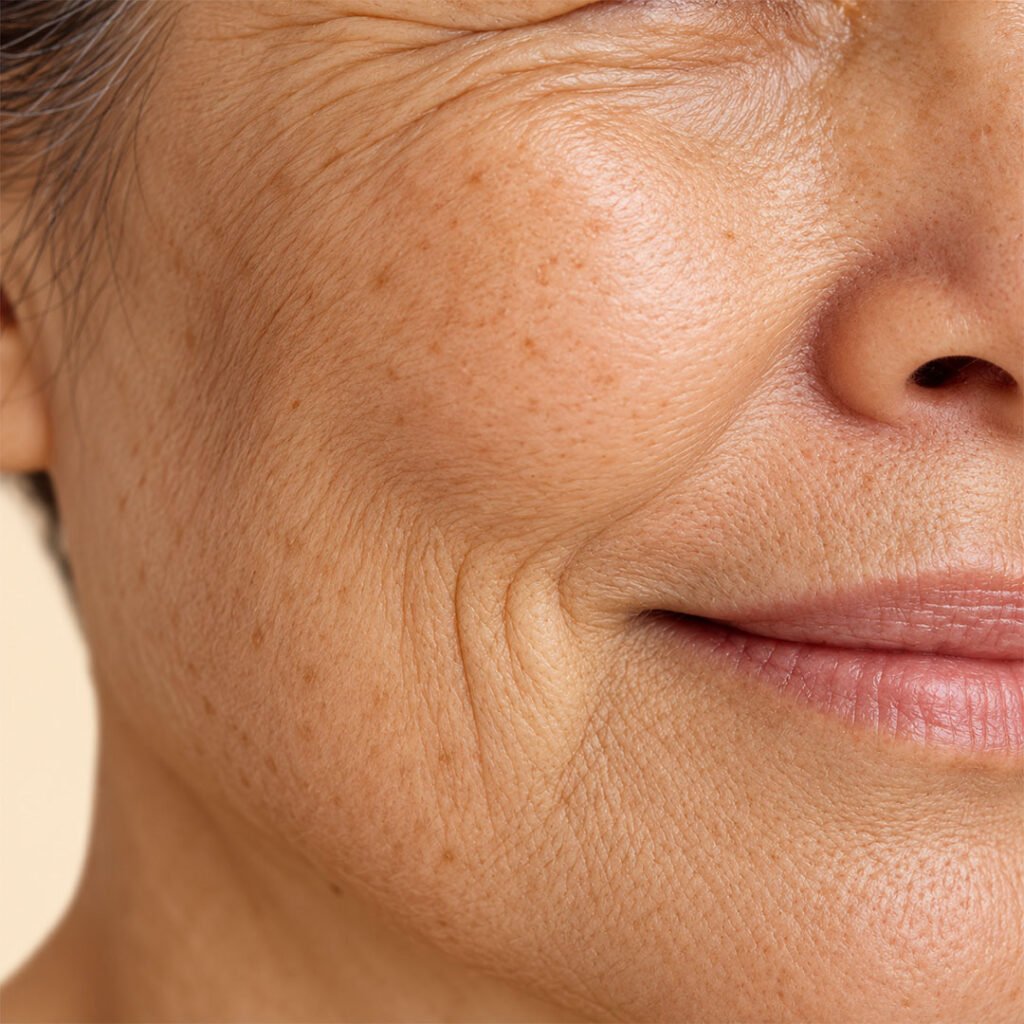
Facial changes over time can involve skin texture, volume distribution, and soft tissue support. At Dr Ken Brito Cosmetic Clinic, face procedures are approached with restraint and anatomical precision, focusing on balance rather than over‑correction.
Each treatment plan is individualised following clinical assessment. Not all concerns require treatment, and in some cases, a staged or combined approach may be recommended.
All treatments are assessed and overseen by Dr Ken Brito, with careful consideration of medical suitability and responsible clinical decision‑making.
Treatments are selected based on clinical evidence, anatomy, and skin biology, rather than aesthetic trends.
The focus is on balance, skin health, and structural support, with a conservative approach to treatment planning.
Treatments are performed in appropriate medical settings, with higher‑risk or prescription‑based procedures managed in accordance with relevant clinical safeguards.
Risks, downtime, and limitations are explained during consultation to support informed consent.
A consultation allows personalised discussion of suitability, risks and available procedure and treatment options.
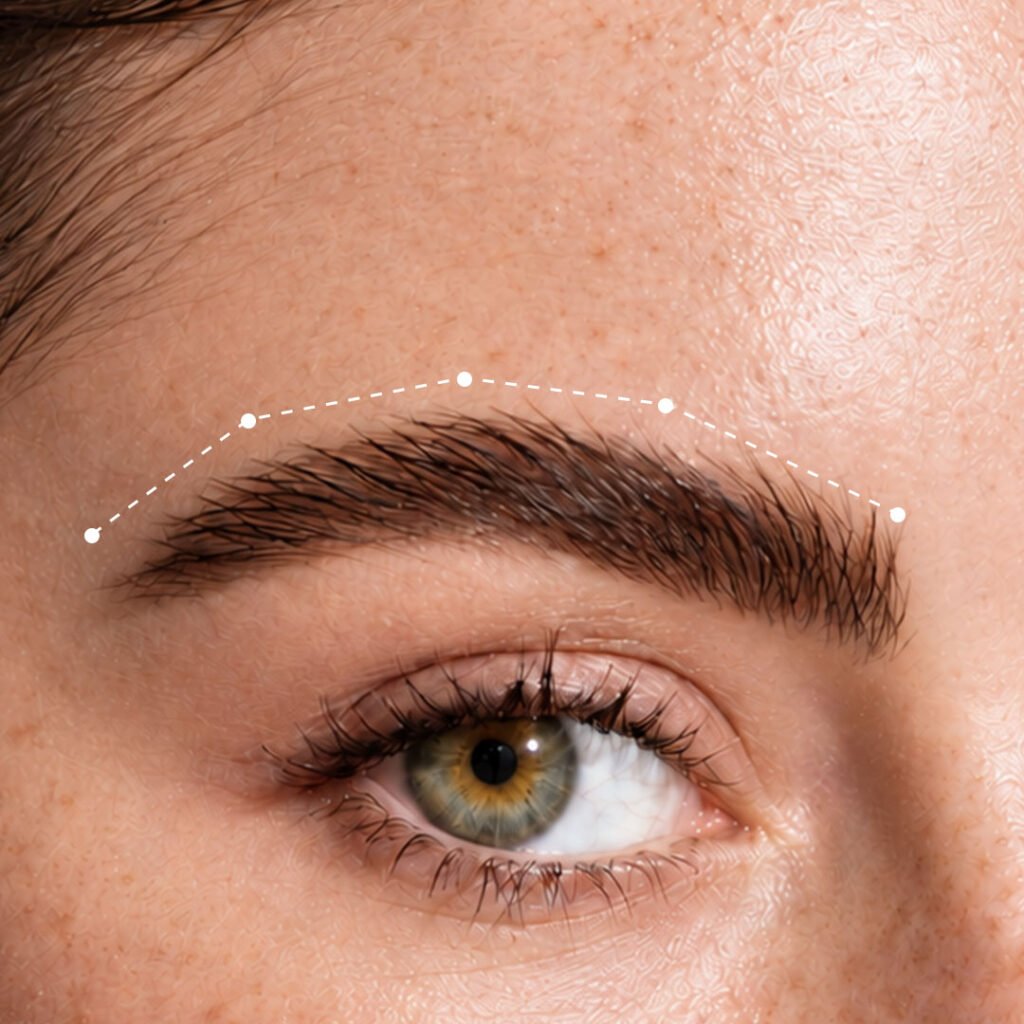
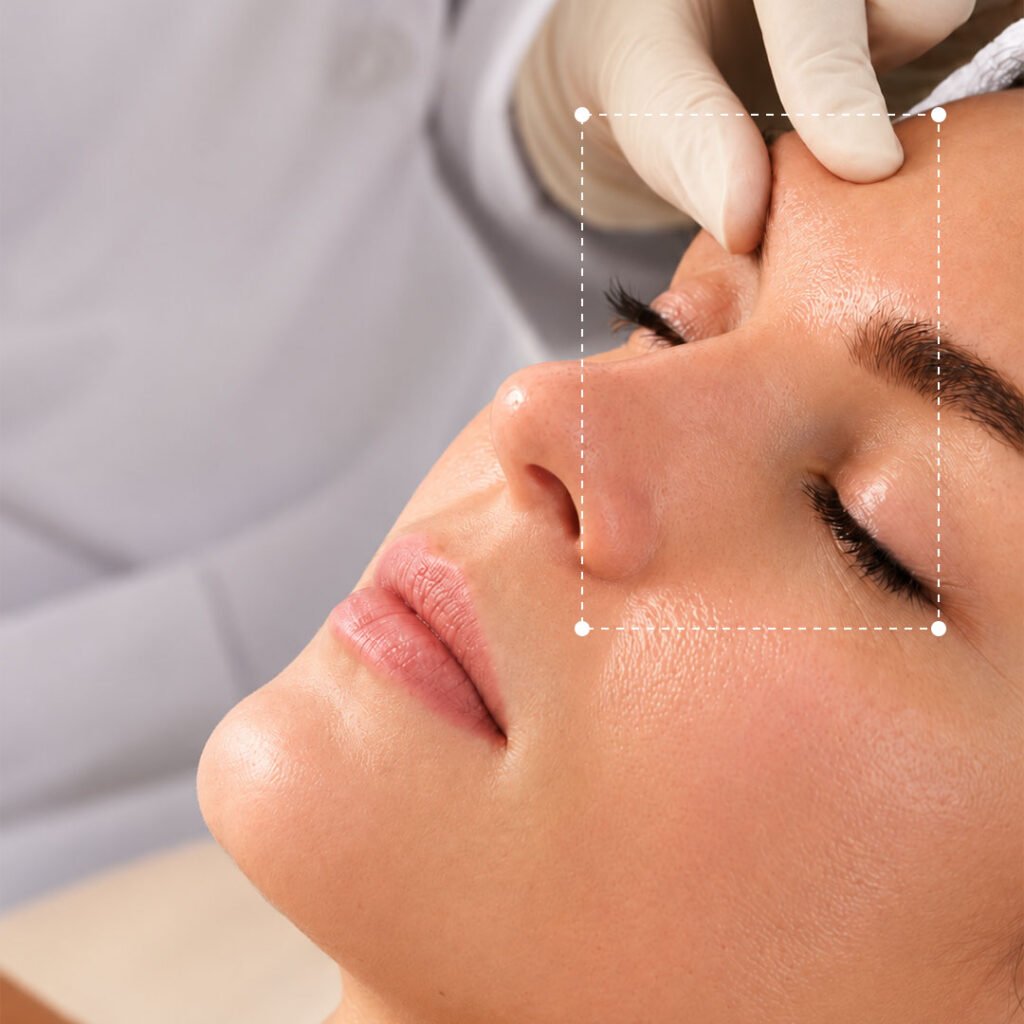
A surgical procedure designed to reposition the brow and improve the appearance of the upper forehead and brow area.
A brow lift involves carefully elevating the brow position and addressing soft tissue changes that can contribute to a heavier or lowered brow. Techniques may vary depending on individual anatomy and goals. The procedure aims to support a more balanced upper facial appearance.
A brow lift may be considered for individuals experiencing brow descent, forehead heaviness, or asymmetry. Suitability depends on facial structure, skin quality, and overall health, and is assessed during consultation.
As with any surgical procedure, risks may include swelling, bruising, temporary or ongoing changes in sensation, scarring, and asymmetry. All potential risks are discussed in detail during consultation.
Recovery varies between individuals. Swelling and bruising may be present initially and usually settle over several weeks. Activity restrictions and aftercare guidance are provided to support the healing process.
A surgical procedure focusing on the upper and lower eyelids to address structural changes affecting the eye area.
Blepharoplasty involves the removal or repositioning of excess skin, muscle, or fat from the upper or lower eyelids. The procedure may be performed on the upper lids, lower lids, or both, depending on individual concerns.
This procedure may be considered for individuals with excess eyelid skin, puffiness, or changes affecting the eyelid contour. Suitability is determined during consultation based on anatomy and medical history.
Risks may include swelling, bruising, dry eyes, asymmetry, temporary visual disturbance, and scarring. Careful assessment and planning are important.
Initial swelling and bruising are common and generally improve over one to two weeks. Ongoing healing may continue over several weeks.
A procedure involving the transfer of a patient’s own fat to areas of the face to support volume and contour.
Fat is typically harvested from another area of the body, processed, and carefully injected into targeted facial areas. The procedure aims to support soft tissue volume using the patient’s own tissue.
This option may be considered for individuals experiencing facial volume loss or contour changes. Suitability depends on available donor fat, facial anatomy, and overall health.
Risks include swelling, bruising, uneven fat retention, infection, and the possibility that not all transferred fat will remain long term.
Swelling and bruising may occur in both donor and treatment areas. Most initial recovery occurs over one to two weeks, with gradual settling over time.
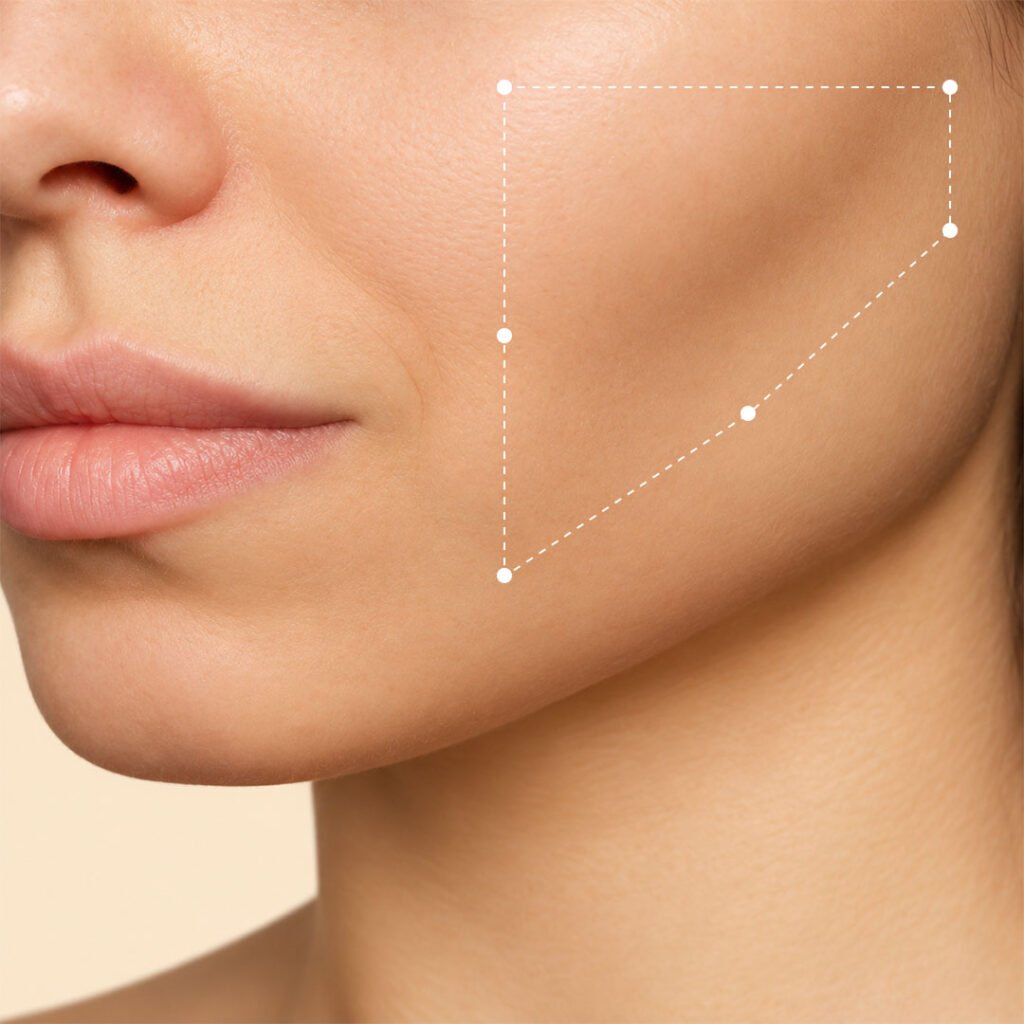
A procedure that reduces the volume of the buccal fat pads within the cheeks.
Buccal fat pad removal involves accessing and reducing fat within the lower cheek area through a small incision inside the mouth.
This procedure may be considered for individuals with fuller lower cheeks seeking facial contour refinement. Careful selection is important, as not all facial types are suitable.
Risks may include swelling, bruising, infection, nerve injury, and changes in facial balance over time.
Mild swelling and discomfort may occur initially. Most individuals return to normal activities within several days, with continued healing over weeks.
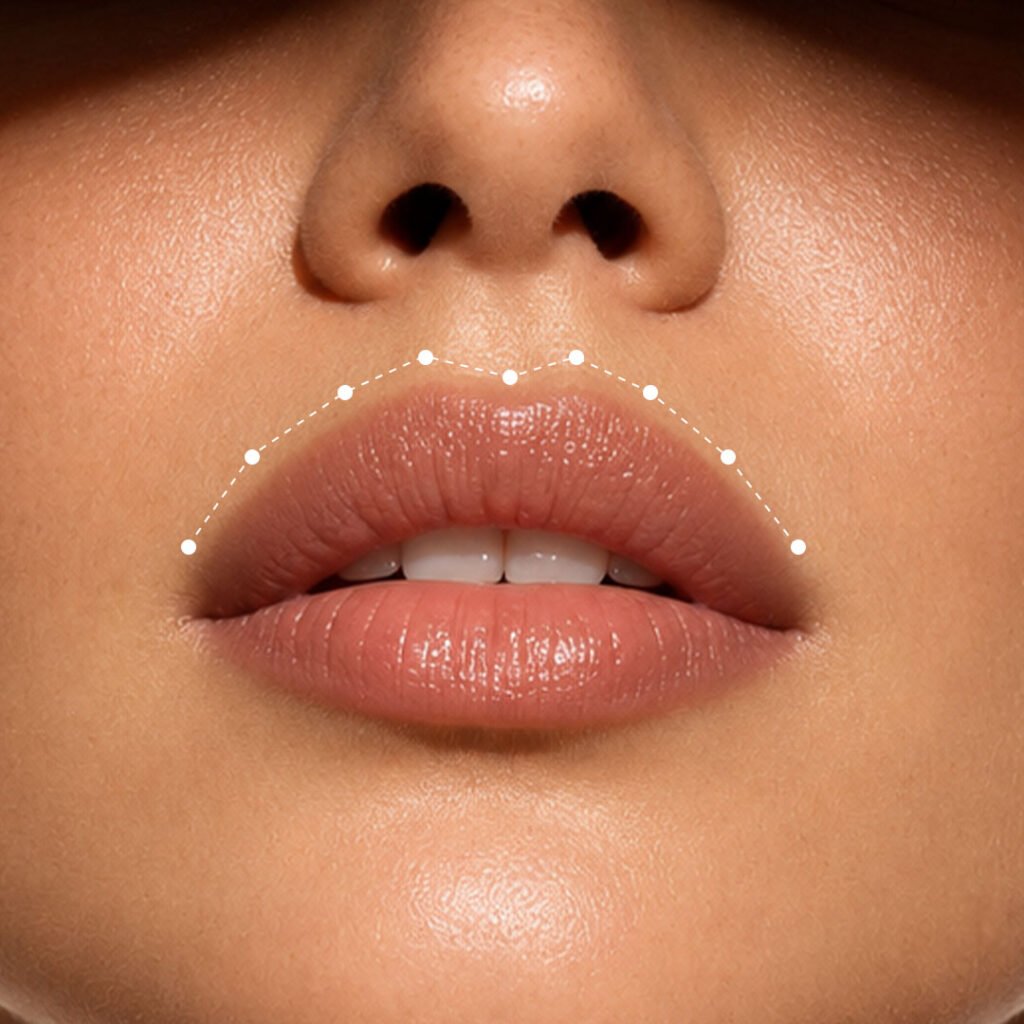
A surgical procedure that shortens the distance between the upper lip and nose.
A lip lift involves removing a small section of skin beneath the nose to elevate the upper lip. The aim is to adjust lip position and proportion.
This may be considered for individuals with a longer upper lip or changes in lip position. Suitability depends on anatomy and aesthetic goals.
Risks include scarring, asymmetry, swelling, and changes in lip movement or sensation.
Swelling and mild discomfort are common initially. Sutures are typically removed within one to two weeks, with gradual improvement in appearance.
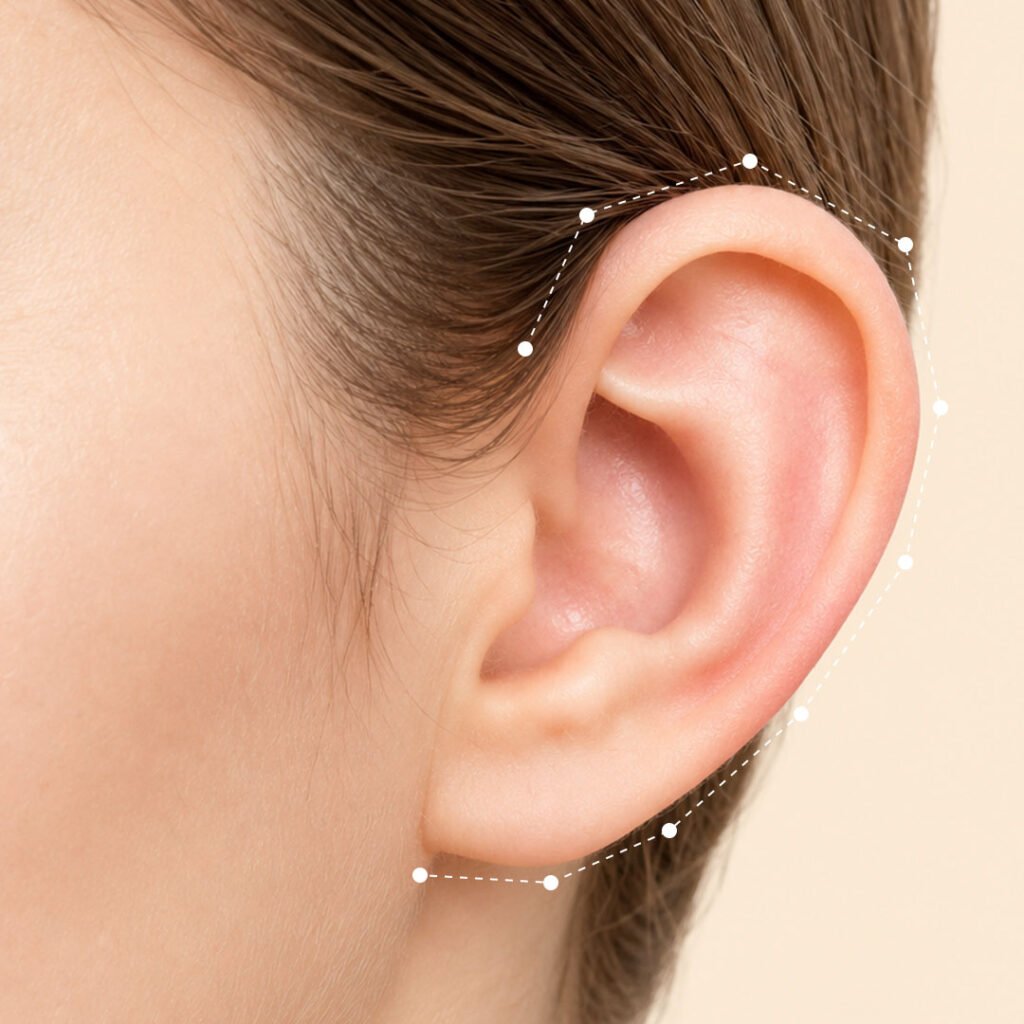
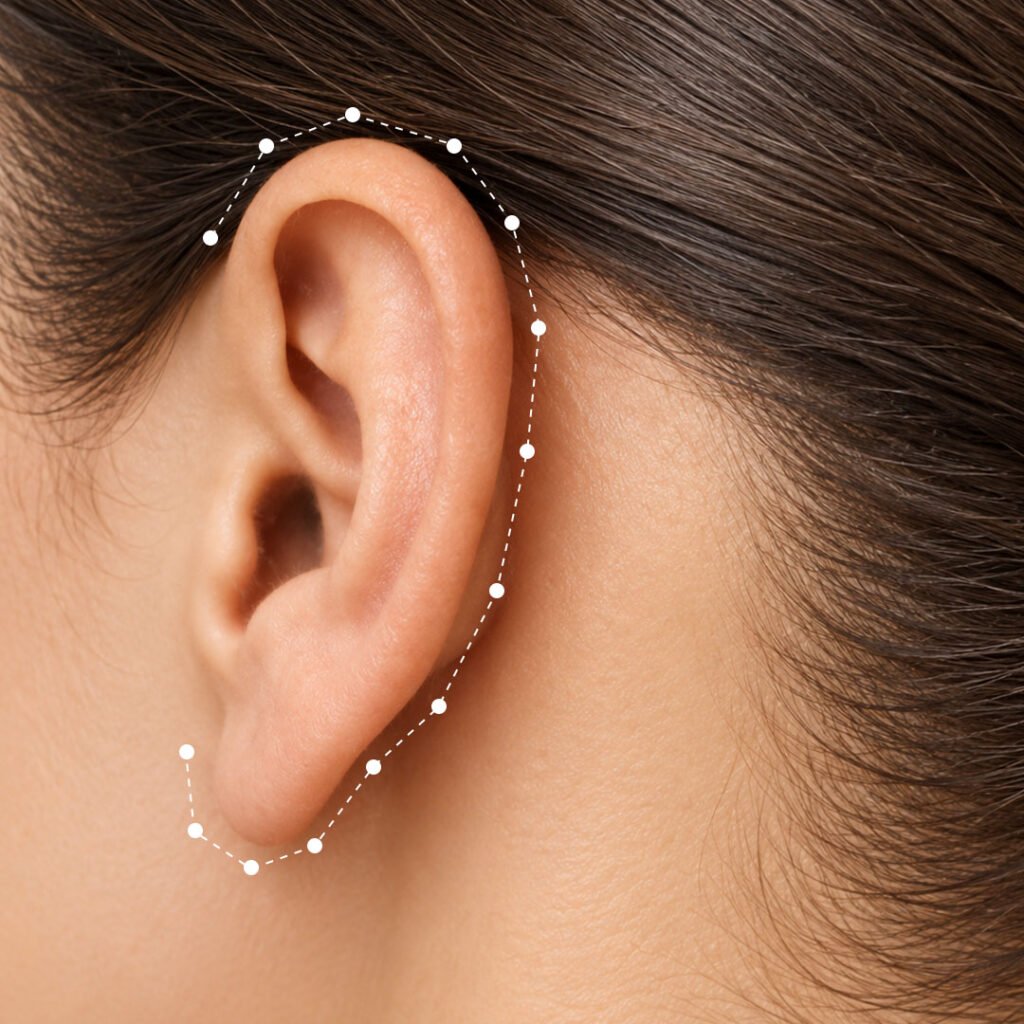
A procedure to reshape or reposition the ears.
Otoplasty involves adjusting cartilage to reposition or reshape the ears. Techniques depend on the specific concern.
This procedure may be considered for individuals with prominent or asymmetrical ears. Suitability is assessed on an individual basis.
Risks include swelling, bruising, asymmetry, infection, and recurrence of ear prominence.
A head dressing may be worn initially. Swelling and sensitivity generally improve over a few weeks.
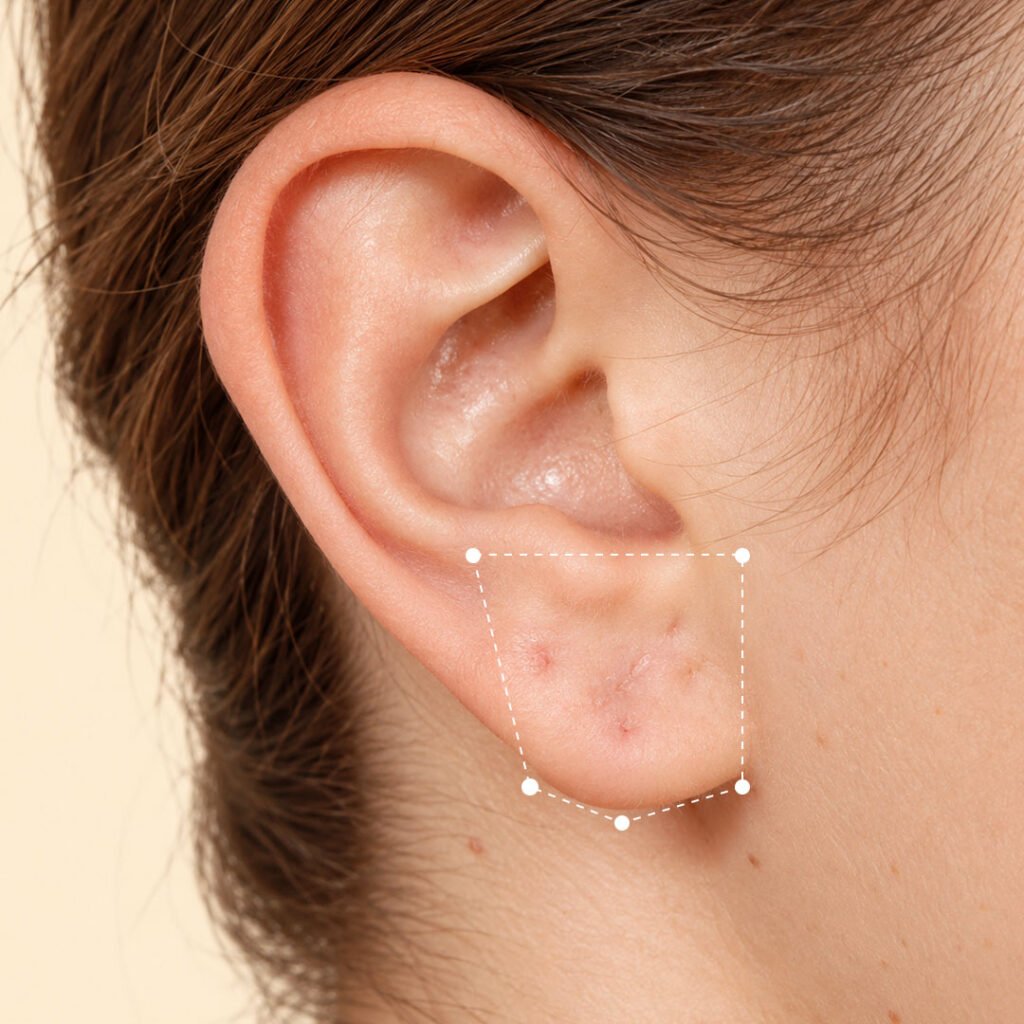
A minor surgical procedure to repair stretched, torn, or damaged earlobes.
Earlobe repair involves removing damaged tissue and reconstructing the earlobe using careful suturing techniques.
This may be considered for individuals with torn or stretched earlobes, often related to earrings or trauma.
Risks include scarring, minor asymmetry, and recurrence if healing is disrupted.
Healing is usually straightforward, with sutures removed within one to two weeks. Re‑piercing is generally delayed until full healing occurs.
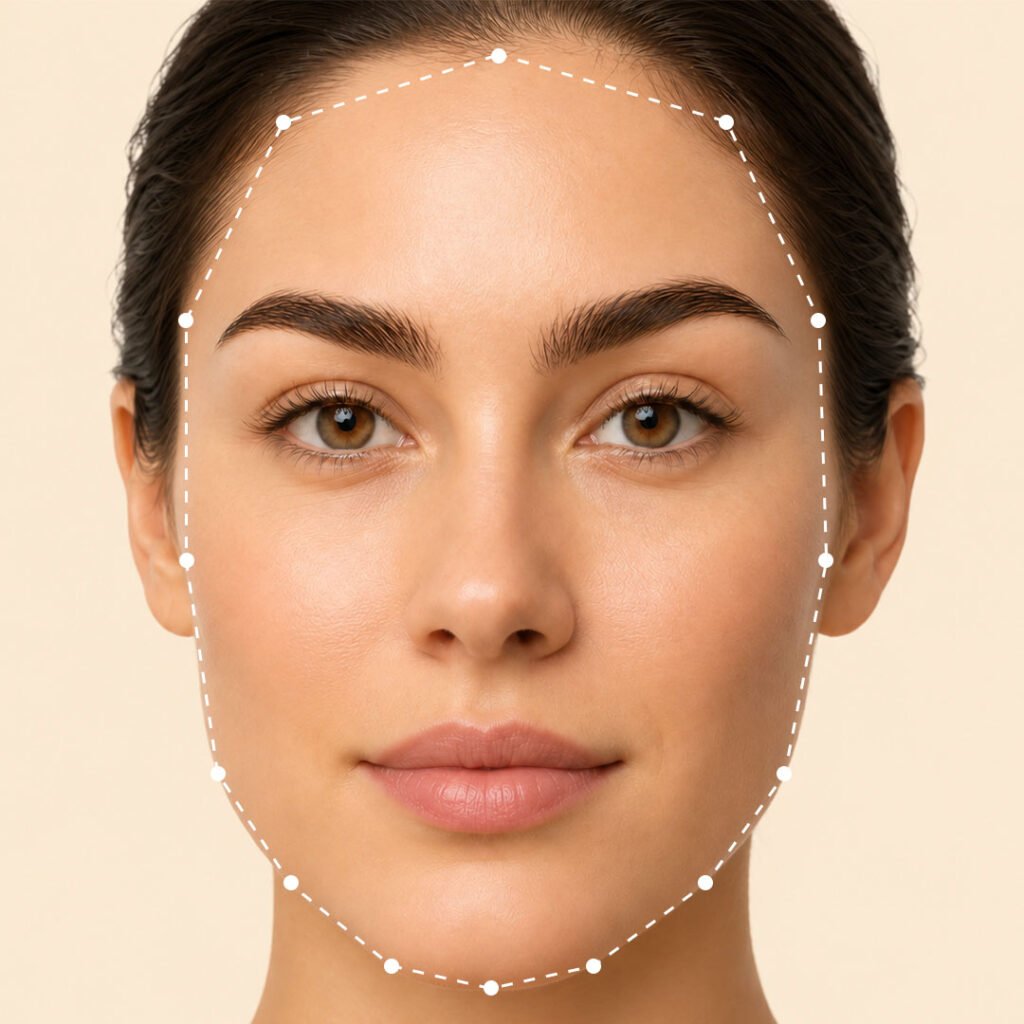
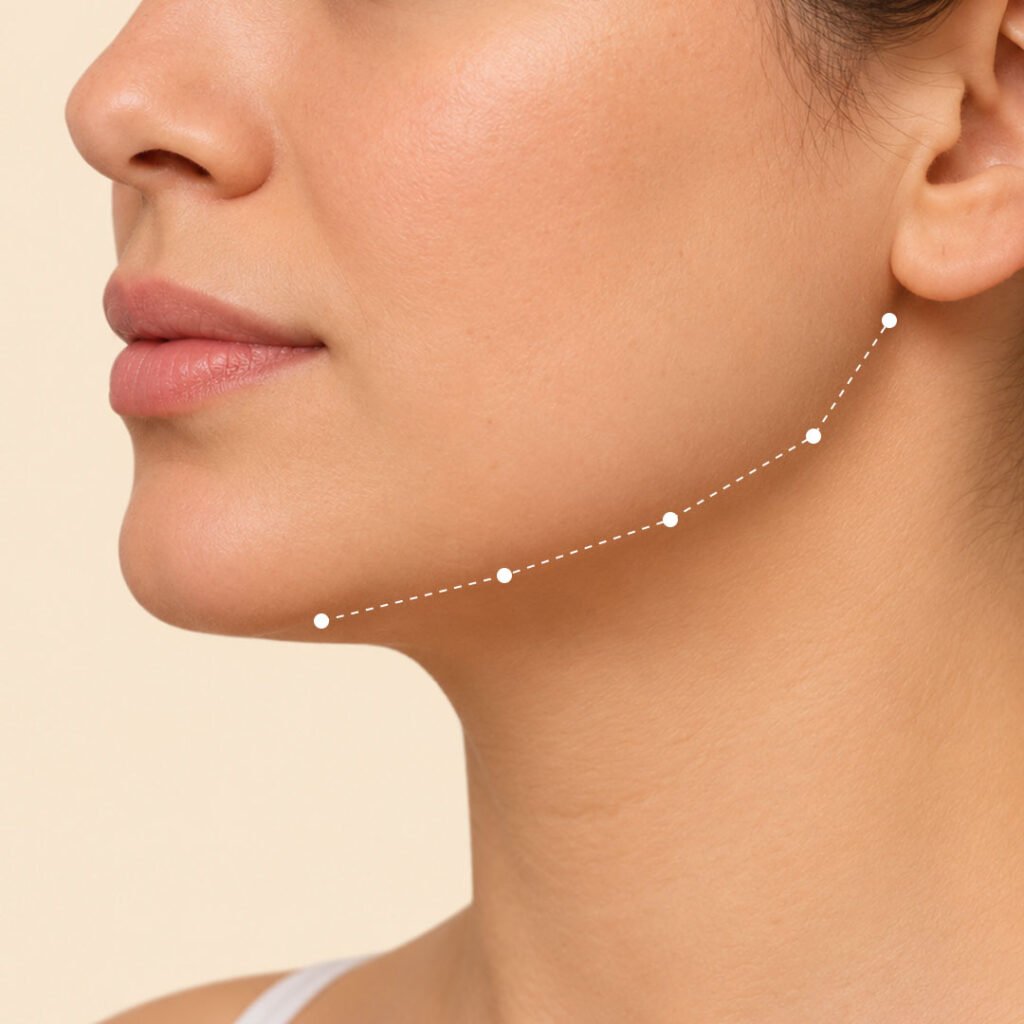
A procedure focused on reducing submental fat beneath the chin and supporting contour in the neck area.
Chin liposuction involves removing localised fat beneath the chin. In some cases, techniques to support skin contraction may be considered, depending on skin quality.
This may be considered for individuals with submental fullness and relatively good skin elasticity. Suitability depends on anatomy and overall health.
Risks include swelling, bruising, contour irregularities, and changes in skin response. Careful patient selection is important.
Swelling and mild discomfort are common and generally improve over one to two weeks. Compression garments may be recommended.
Surgery Fellow, Australasian College of Cosmetic Surgery and Medicine
AHPRA Registration Number:
MED0001680302
Operating Hospital:
Kingsgrove Day Hospital, Kingsgrove NSW
0455 234 313
info@drkenbrito.com.au
Level 8, 60 Park Street Sydney NSW 2000 Australia
Powered by Vulb Media